
Your first range day: what to bring and what to expect
Your first trip to a shooting range does not need a trunk full of gear. Bring the basics, know what the range expects, and leave yourself enough time to ask questions. A little preparation makes the day more comfortable and keeps your attention on safe handling instead of on something you forgot at home.
Check the range before you pack
Look up the range's hours, reservation policy, age rules, and ammunition restrictions. Some indoor ranges prohibit certain bullet or case materials, and some ranges require you to buy their ammunition for rental firearms. Ask whether targets, eye protection, and hearing protection are included or available on site. If you are new, a staffed introductory session is a good way to learn the local routine.
Make sure your firearm is permitted there and that your ammunition matches the exact chambering marked on the firearm. Similar names are not a reason to assume two cartridges are interchangeable. If you are unsure, bring the box and ask a qualified range employee before you load anything. Transport and storage rules vary by location, so check the rules that apply to your trip.
The short packing list
Start with properly fitting shooting glasses and hearing protection. Earplugs under earmuffs are a useful combination, especially indoors where gunfire reflects off hard walls. Bring the correct factory ammunition, your unloaded firearm in a suitable case, magazines if applicable, targets if the range allows them, and any ID or membership card the facility requires. A small bag keeps loose gear together. Don't forget water for after you leave the firing area.
Choose comfortable clothing that will not catch hot brass. Closed-toe shoes and a shirt with a reasonably high neckline are practical. At an outdoor range, add weather protection and a plan to keep paper targets, spent cases, and packaging from blowing away. Keep food and drinks out of the shooting area, and wash your hands after handling ammunition or cleaning up.
Once you arrive
Read the posted rules even if you have shot somewhere else. Ranges differ on when cases may be opened, where firearms may be handled, how targets are changed, and what a cease-fire means. Let the range officer know it is your first visit. They would rather answer a basic question before a problem than sort one out later.
The core habits are straightforward: keep the muzzle pointed in a safe direction, keep your finger off the trigger until you are ready to shoot, and follow every range command. Do not handle a firearm during a cease-fire unless the range officer expressly directs you to. If something does not feel right, stop, keep the firearm pointed downrange, and ask for help.
Keep the first session simple
A first visit is a good time to learn the routine, not to rush through a pile of ammunition. Start with a small number of rounds and a clear target. Pause to check your grip, sights, and comfort. If you are sharing a lane, agree on who is shooting and who is observing before either person touches equipment. When you finish, unload and case your firearm according to the range's instructions, clean your space, and wash your hands.
Need to fill a gap before the trip? Browse hearing and eye protection, range bags, and ammunition by the cartridge marked on your firearm. The best gear for a first day is the gear you understand and will actually use.
A realistic first-day plan
Give yourself time to check in, read the rules and get comfortable with the lane before you shoot. Start with one firearm and one load you can identify by its box. If you are renting, ask the staff which ammunition is approved for that rental before buying a bulk case. A short, unrushed session is usually more useful than trying to test every piece of gear you own in one visit.
Bring a pen or use your phone after you leave the firing line to note the load's brand, part number, bullet weight and how it ran. Keep the empty box until you know whether you want that exact load again. The next visit becomes much easier when you can say, for example, 'this 124-grain 9mm load worked well' rather than trying to remember what the packaging looked like.
Who should buy what first?
For a first-time indoor shooter, comfortable eye protection and properly fitted hearing protection matter more than a large range bag. Someone going to an outdoor club may need target holders, weather gear and a bag that keeps paper and equipment dry. A frequent shooter may appreciate spare earplugs, a dedicated case for eye protection and a small cleaning kit. Buy for the range you actually use, then add gear when a real need appears.
If another person is joining you, confirm they have their own properly fitting protection. Do not assume an adult-size pair of glasses or earmuffs will seal or stay put on every face and head. NSSF's safety guidance and CDC/NIOSH's range research are worth reading before the trip; their basic advice is more useful than a complicated packing checklist.
Products mentioned and related picks
Current in-stock listings. Check each product page for the exact load, package and availability.
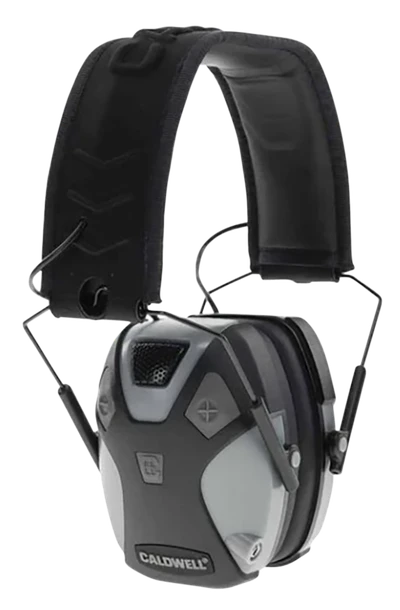 New Generation Earmuff-Gray 23NRRAOBView product →
 Triple Flanged Full Block Earplugs Medium 1 Pair BlackSureFireView product →
 Walker's Crosshair, Shooting Glasses, Polycarbonate Lens, Amber GWP-SGL-AMBWalker'sView product →
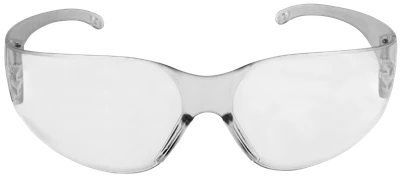 Allen 4179 Ultrx Cinder Safety Glasses Clear Lens/FrameAllen CompanyView product →
 Hornady 9919 Team Hornady Range Bag Black with Red Logo Nylon with Large Compartment & EmbroideringView product →
 Breakthrough Universal Range Mobile Cleaning Kit ShotgunBreakthrough CleanView product →
Keep reading
- Indoor vs. outdoor ranges: how to prepare for each
- Hollow-point ammunition: why the bullet designs differ
- How to read an ammunition box: grain, FPS, energy, and more
- Range safety: the habits that matter every visit
- 9mm bullet weights: 115, 124 and 147 grain explained
- .22 LR velocity: standard, high velocity and quiet loads
- How to read a shotgun shell box before you buy
- FMJ vs. JHP ammunition: choosing for the job
- Hunting vs. target rifle ammunition: what changes?
- Shotgun shot sizes and gauges: what fits the hunt or the range