FMJ vs. JHP ammunition: choosing for the job
FMJ and JHP are two of the most common abbreviations on handgun ammunition, and they describe the bullet rather than the cartridge itself. A 9mm FMJ and a 9mm JHP can both be the correct cartridge for the same pistol, but they are built for different priorities. It is worth knowing what each label actually tells you before you compare prices.
What the abbreviations mean
FMJ means full metal jacket. A typical handgun FMJ has a lead core enclosed at the nose by a metal jacket; the bullet's base construction can vary. JHP means jacketed hollow point, with a cavity at the front that is intended to support expansion under appropriate conditions. Those are broad descriptions, not identical performance specifications across every brand and SKU.
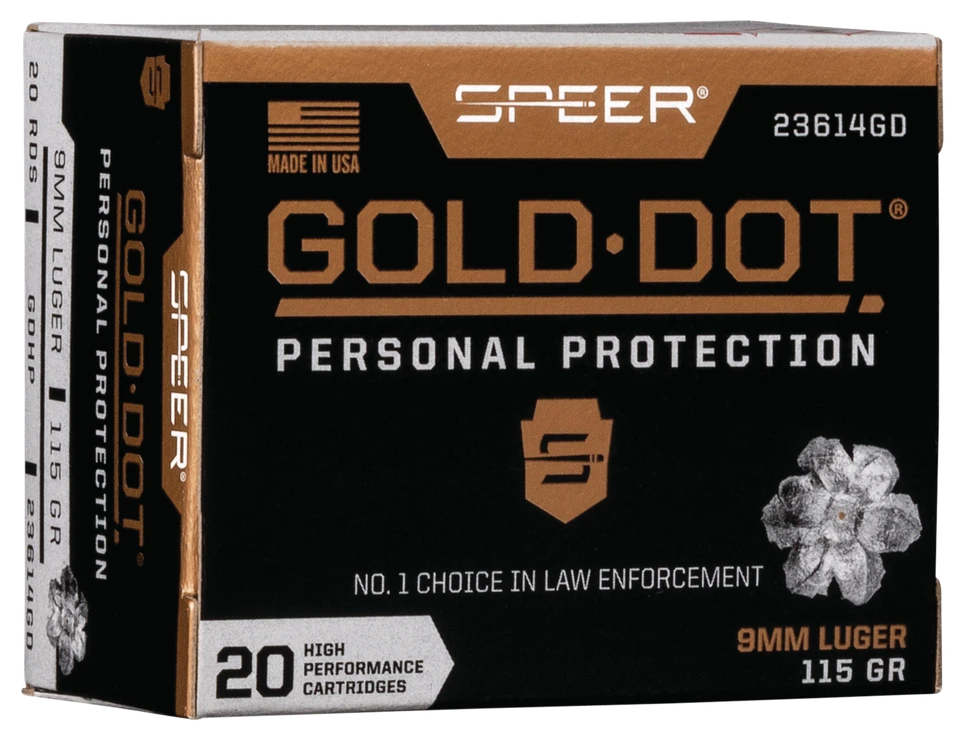
Some modern JHP families use bonded cores, controlled jacket geometry or inserts in the cavity. Speer's Gold Dot is a bonded line; Hornady's Critical Defense uses its FTX insert. A solid-copper hollow point such as Barnes XPB is not technically a jacketed lead-core JHP even though customers often browse it alongside defensive hollow points. Read the actual manufacturer's description instead of forcing every expanding bullet into one label.
Why many people practice with FMJ
FMJ range loads often come in larger boxes and are commonly chosen for routine practice because they are easier to buy in volume. A customer who shoots several boxes a week may care more about reliable function, consistent point of impact, range approval and price per round than about a bullet's terminal design. An exact 50-round practice SKU is a different product from a 20-round defensive SKU even when both boxes say 9mm and 124 grains.
Check the facility's bullet and case-material rules before assuming an FMJ load is accepted. Some ranges restrict certain projectiles or materials regardless of the box's 'range' wording. Keep a record of a load that runs well rather than changing brands every trip without knowing what changed.
Why someone considers a hollow point
A customer looking at a lawful defensive load may want a projectile designed to expand and a manufacturer that publishes load-specific testing. Construction, bullet weight, pressure rating and actual firearm reliability are more useful than a generic 'stopping power' slogan. Our hollow-point comparison shows exact 9mm Gold Dot and Barnes loads with published FPS and energy from named test barrels.
Do not decide from muzzle energy alone. Two bullets with similar energy can have different construction and impact behavior. And a box whose velocity was tested from a 4-inch barrel may not give the same result from your firearm. If your pistol is not rated for +P, that pressure marking takes a candidate off your list regardless of its headline number.
How to keep the comparison fair
Compare the same cartridge designation first, then look at exact SKU, bullet construction, weight, pressure, package count and published test conditions. For routine training, choose an approved load you can afford to practice with regularly. For a specific defensive purpose, choose a load with documented design and verify that it functions in your firearm. Neither choice replaces safe handling or the rules of the place you shoot.
One shopper, two purchases
Picture a customer with a 9mm pistol who visits the range twice a month and also wants to evaluate a lawful defensive load. A 50-round FMJ box can cover the volume of a normal practice session without making every shot a premium purchase. A smaller JHP box gives them the exact load they want to test for feeding and point of impact. The two purchases solve different problems; the practice load should not be described as identical to the JHP merely because the caliber and bullet weight match.
A second customer may shoot at an indoor facility that bans a certain bullet or case material. Their first filter is the range policy, not price. They might choose a different FMJ practice load or ask the facility about an approved alternative. A third customer with a compact handgun should check the manufacturer's test barrel and the exact product line before assuming a 4-inch-barrel FPS figure describes their own pistol.
Questions that narrow the choice
Ask whether the ammunition is for routine practice, a competition with its own rules, or another specific lawful use. Confirm the full cartridge designation. Then look at projectile type, bullet weight, pressure class and manufacturer part number. Finally compare package count and price per round within those choices. This order keeps a low price from distracting you from an incompatible or unsuitable product.
Products mentioned and related picks
Current in-stock listings. Check each product page for the exact load, package and availability.
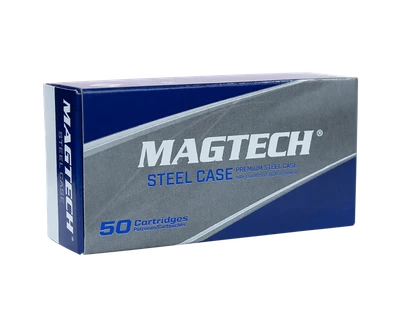 Magtech 9mm 115gr FMJ Steel Case (Zinc-plated)9mm LugerView product →
 9mm Luger +P+ 115 Grain Jacket Hollow Point Ammo9mm LugerView product →
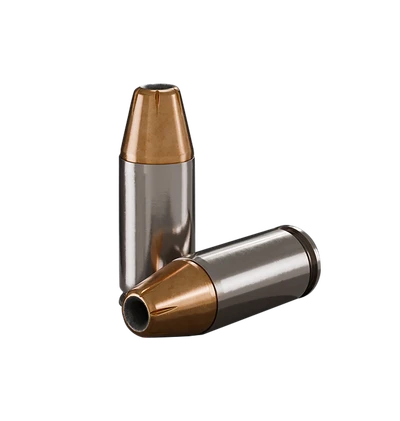 9mm Luger +P+ 124 Grain Jacket Hollow Point9mm LugerView product →
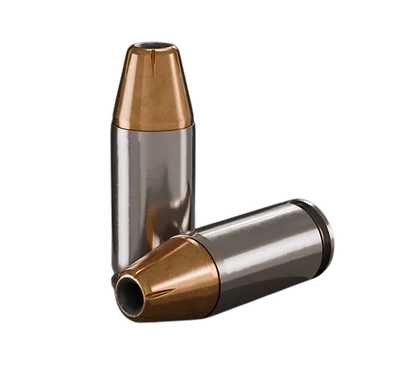 9mm Luger +P+ 147 Grain Jacketed Hollow Point9mm LugerView product →
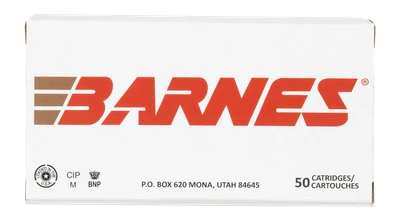 Barnes Defense JHP, 9mm, 115 Grain, Sierra JHP, 325219mm LugerView product →
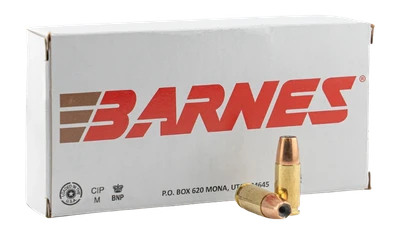 Barnes Sierra JHP 115gr 9mm Luger Ammo9mm LugerView product →
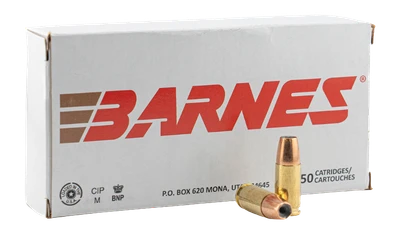 Barnes Sierra JHP 124gr 9mm luger Ammo9mm LugerView product →
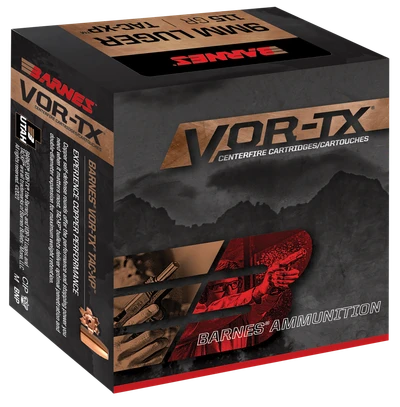 Barnes VOR-TX, 9mm, 115 Grain, XPB, Hollow Point, 320059mm LugerView product →
Keep reading
- Your first range day: what to bring and what to expect
- Indoor vs. outdoor ranges: how to prepare for each
- Hollow-point ammunition: why the bullet designs differ
- How to read an ammunition box: grain, FPS, energy, and more
- Range safety: the habits that matter every visit
- 9mm bullet weights: 115, 124 and 147 grain explained
- .22 LR velocity: standard, high velocity and quiet loads
- How to read a shotgun shell box before you buy
- Hunting vs. target rifle ammunition: what changes?
- Shotgun shot sizes and gauges: what fits the hunt or the range