
Indoor vs. outdoor ranges: how to prepare for each
An indoor lane and an outdoor firing line can feel like two different outings. The basic safety rules stay the same, but the noise, weather, target setup, and pace can change quite a bit. Here is how I would pack and plan for each one.
What changes indoors
Indoor ranges are convenient because they are open in more weather and usually have fixed lanes, lighting, and target carriers. The tradeoff is sound. Hard surfaces reflect gunfire, so take hearing protection seriously. Properly fitted plugs beneath earmuffs are worth considering, and glasses should not break the earmuff seal more than necessary. Always use the eye and ear protection the range requires.
Indoor facilities may have stricter ammunition rules because of their bullet traps and ventilation systems. Ask before bringing steel-core, tracer, or other specialty ammunition; do not infer that a caliber is allowed simply because it fits your firearm. The range should publish or explain its approved ammunition and target rules. Keep food and drink outside the firing area, avoid touching your face with range-dirty hands, and wash up before leaving.
What changes outdoors
Outdoor ranges add room and daylight, but also wind, rain, heat, and uneven ground. Secure paper targets so they do not blow loose. Bring water, sun protection, a layer for changing weather, and a small bag for your packaging and trash. A cap can make sunlight and brass easier to manage, but it is not a substitute for eye protection.
Outdoor ranges may use a shared firing line. A cease-fire can mean everyone steps back while targets are changed, so listen closely to the range officer and do not touch firearms until the line is declared hot again. Some ranges have different bays for handgun, rifle, or shotgun use, and some limit where targets may be placed. Check those rules before arriving rather than improvising at the firing line.
The same habits work at both
Show up with your firearm unloaded and cased as the facility directs. Match every box of ammunition to the exact firearm chambering. Keep the muzzle in a safe direction, your finger off the trigger until ready to fire, and the firearm on the bench only where and how the range allows. If you have a malfunction or a question, stop and ask a range officer. There is no prize for solving it quickly while other people are waiting.
Plan a manageable session. A few deliberate strings can tell you more than burning through boxes without checking the target. If you are testing a new load, keep its box so you can record the brand, bullet weight, and lot. That makes it easier to know what ran well in your firearm and what you would buy again.
Pack for the place you are going
For an indoor visit, prioritize hearing protection, approved ammunition, and a compact bag that fits your lane. Outdoors, add weather supplies and a way to keep targets and packaging under control. In either place, leave the firing area tidy and wash your hands after shooting. Our range gear categories cover the practical pieces; check the facility's rules before buying specialty targets or ammunition for that range.
Choose a load for the facility
The most important difference is often the range's ammunition policy. An indoor facility may limit projectile or case materials because of its backstop or ventilation setup. An outdoor range may allow more types but restrict certain bays, targets or shooting distances. Check the facility's published rules or call them; a product labeled 'range ammo' is not a universal pass.
Someone who visits the same indoor lane every week may do well with a familiar factory FMJ load that the facility explicitly approves. Someone practicing outdoors with paper targets may care more about target placement and repeatable point of impact. If you are trying a new ammunition line, compare it with a known load in the same firearm and keep the boxes separate so you know which target belongs to which load.
A quick plan for the trip home
Pack spent cases and packaging only as the range permits. Wash your hands and face before eating, and keep range-dirty gear away from food and clean clothing. CDC/NIOSH highlights both airborne lead and noise at indoor ranges; its guidance is particularly relevant for people who shoot or work there regularly. It is a reason to take ventilation, hygiene and hearing protection seriously, not a reason to assume one visit is the same as occupational exposure.
Products mentioned and related picks
Current in-stock listings. Check each product page for the exact load, package and availability.
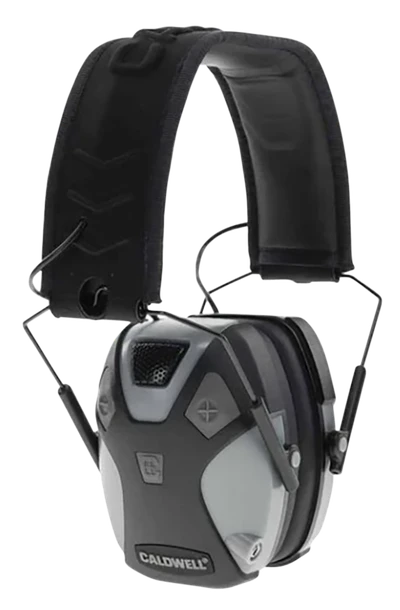 New Generation Earmuff-Gray 23NRRAOBView product →
 Triple Flanged Full Block Earplugs Medium 1 Pair BlackSureFireView product →
 Walker's Crosshair, Shooting Glasses, Polycarbonate Lens, Amber GWP-SGL-AMBWalker'sView product →
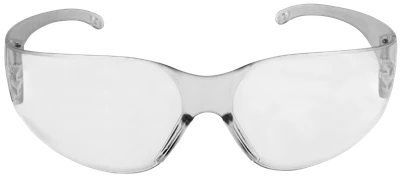 Allen 4179 Ultrx Cinder Safety Glasses Clear Lens/FrameAllen CompanyView product →
 Hornady 9919 Team Hornady Range Bag Black with Red Logo Nylon with Large Compartment & EmbroideringView product →
 Breakthrough Universal Range Mobile Cleaning Kit ShotgunBreakthrough CleanView product →
Keep reading
- Your first range day: what to bring and what to expect
- Hollow-point ammunition: why the bullet designs differ
- How to read an ammunition box: grain, FPS, energy, and more
- Range safety: the habits that matter every visit
- 9mm bullet weights: 115, 124 and 147 grain explained
- .22 LR velocity: standard, high velocity and quiet loads
- How to read a shotgun shell box before you buy
- FMJ vs. JHP ammunition: choosing for the job
- Hunting vs. target rifle ammunition: what changes?
- Shotgun shot sizes and gauges: what fits the hunt or the range