
Range safety: the habits that matter every visit
A safe range day is usually uneventful, and that is the point. The habits that make it work are simple enough to remember, but they deserve your full attention every time you handle a firearm. Whether it is your first trip or your hundredth, start with the rules of the facility and a plan for what you will do if something feels off.
Before a firearm leaves its case
Ask where firearms may be uncased. Some facilities want every case opened at the firing line with the muzzle already oriented downrange; others have a separate handling area. Follow their exact process. Treat every firearm as loaded, keep the muzzle pointed in a safe direction and keep your finger outside the trigger guard until you are ready to shoot. Do not rely on a mechanical safety to replace those habits.
Confirm the chambering marked on the firearm against the full cartridge name on the ammunition box. The number alone is not enough. If you are bringing someone new, decide who will handle the firearm and who will observe before the case opens. A range officer or instructor can answer questions about the lane and the facility's commands.
When the line goes cold
A cease-fire means stop shooting immediately and follow the range officer's instructions. The exact unloading and bench procedure can differ by facility. Do not touch a firearm, magazine or ammunition while people are downrange unless the range officer has specifically directed you to do so. Step back when asked and wait for the line to be declared hot again.
If a malfunction occurs, keep the firearm pointed in the safe direction and ask for help when you need it. An unfamiliar sound, unexpected recoil or uncertain chamber condition is a reason to stop. NSSF's safety rules specifically call for using the correct ammunition and making sure the barrel is clear before firing. Rushing to get back on target is never more important than understanding what happened.
Protect your hearing and eyes
Wear shooting glasses and properly fitted hearing protection whenever shooting is underway. Indoor lanes can be especially loud because hard surfaces reflect sound. CDC/NIOSH recommends double hearing protection for workers and occupational shooters at indoor ranges and notes that eyeglass temples can break the seal of earmuffs. For a casual visitor, the practical lesson is to check the fit, use the range's required protection and consider plugs under muffs in a loud indoor environment.
A new shooter may find electronic earmuffs helpful for hearing range commands, but an electronic feature does not make an ill-fitting cup safe. Children and adults with small heads need protection that fits them. Keep glasses on during cleanup too, because a nearby lane may still be active.
Lead hygiene is part of the routine
A shooting range can leave lead-containing residue on hands and equipment. Keep food, drinks and tobacco outside the firing area. Wash your hands, forearms and face before eating or getting in the car, and follow the facility's cleanup procedure for spent cases. CDC/NIOSH advises keeping range-contaminated clothing separate and avoiding take-home dust, especially for people with frequent exposure.
Do not dry-sweep a firing area or improvise a cleanup method. The facility should control its ventilation and housekeeping. Your job as a customer is to leave your lane tidy in the way the range asks and not carry residue into your lunch or your home. A small dedicated bag for hearing protection and glasses helps keep the rest of your gear clean.
A good ending to the session
Unload and case the firearm as the range directs. Check that you have the right magazines, ammunition boxes and personal gear before leaving. Note which load you used and whether it ran reliably. If you had a problem or a rule was unclear, ask the range officer while the details are fresh. Range safety is not a one-time briefing; it is the same deliberate routine each visit.
What if you are sharing a lane?
Only one person should be responsible for the firearm at a time. Tell your partner when you are finished, unload and make the firearm safe according to the range's instructions, then step away before they take a turn. Keep ammunition for different firearms in its labeled boxes. If two shooters are using different cartridges, double-check every box before anyone loads a magazine; casual bench clutter is a preventable source of confusion.
A first-time guest may be focused on the target and miss a command from the range officer. Agree in advance that either person can say 'stop' and both will stop. If a casing or another shooter's gear lands in your lane, do not reach across the firing line or turn with a firearm in your hands. Ask the staff how they want you to handle it.
Why this gear is worth buying
Buy eye and ear protection for fit, not just appearance. Glasses that slide down during a session invite constant adjustment, and earmuffs that do not seal can leave you poorly protected. A compact range bag keeps the protection clean and makes the same safe setup easy to repeat. We link available examples below so you can compare fit and features; the actual range's rules and the product instructions remain the final check.
Products mentioned and related picks
Current in-stock listings. Check each product page for the exact load, package and availability.
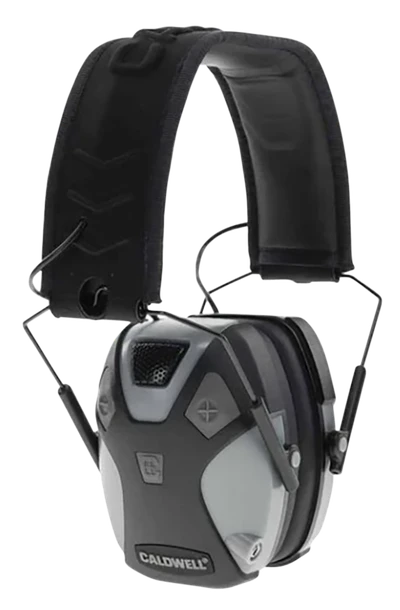 New Generation Earmuff-Gray 23NRRAOBView product →
 Triple Flanged Full Block Earplugs Medium 1 Pair BlackSureFireView product →
 Walker's Crosshair, Shooting Glasses, Polycarbonate Lens, Amber GWP-SGL-AMBWalker'sView product →
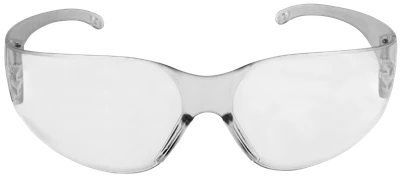 Allen 4179 Ultrx Cinder Safety Glasses Clear Lens/FrameAllen CompanyView product →
 Hornady 9919 Team Hornady Range Bag Black with Red Logo Nylon with Large Compartment & EmbroideringView product →
 Breakthrough Universal Range Mobile Cleaning Kit ShotgunBreakthrough CleanView product →
Keep reading
- Your first range day: what to bring and what to expect
- Indoor vs. outdoor ranges: how to prepare for each
- Hollow-point ammunition: why the bullet designs differ
- How to read an ammunition box: grain, FPS, energy, and more
- 9mm bullet weights: 115, 124 and 147 grain explained
- .22 LR velocity: standard, high velocity and quiet loads
- How to read a shotgun shell box before you buy
- FMJ vs. JHP ammunition: choosing for the job
- Hunting vs. target rifle ammunition: what changes?
- Shotgun shot sizes and gauges: what fits the hunt or the range