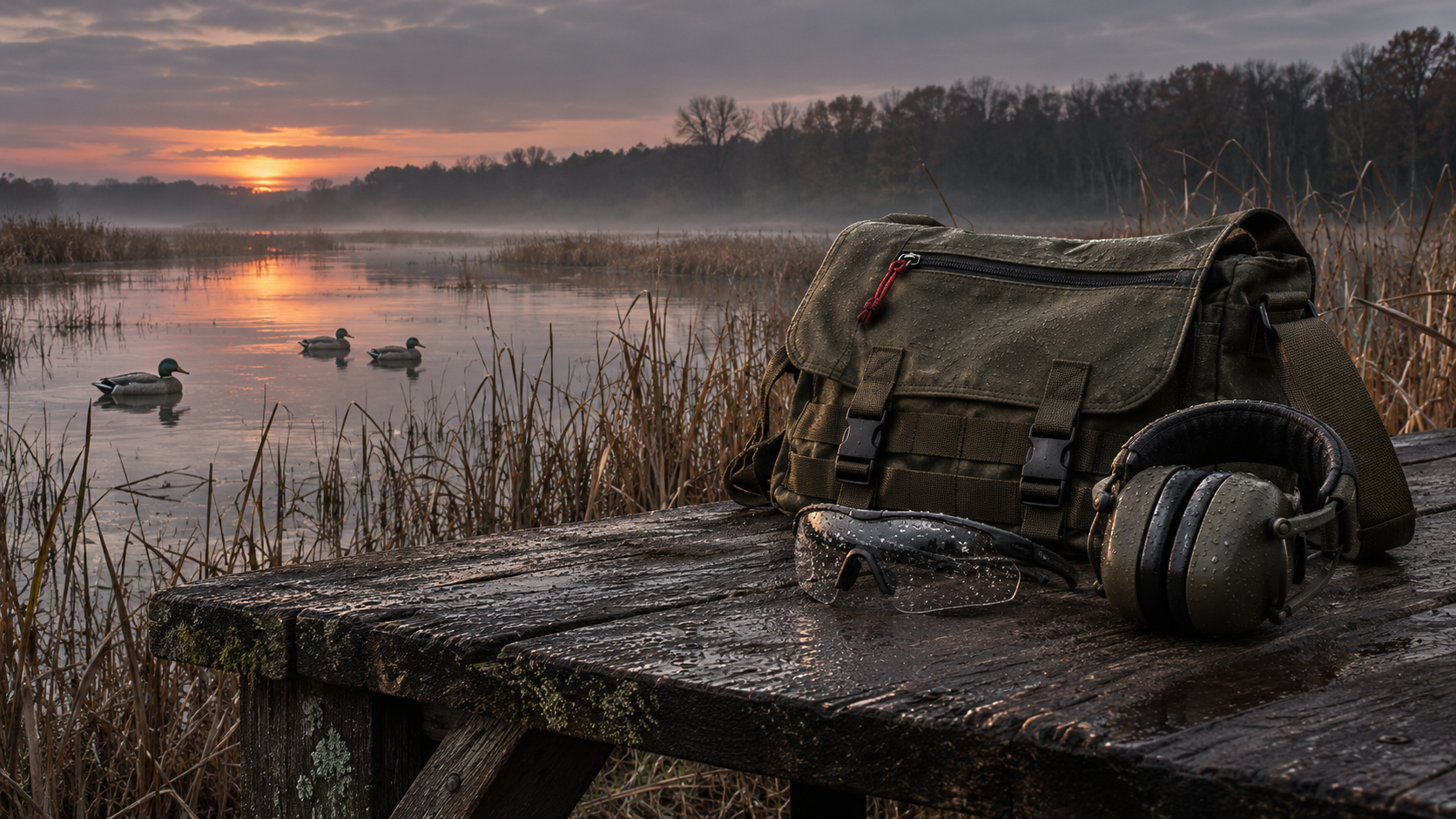
Shotgun shot sizes and gauges: what fits the hunt or the range
A shotgun shell has several numbers on it, and they are easy to mix up. Gauge describes the shotgun and shell diameter. Shot size describes the pellets inside. The shell length, payload, material and velocity tell the rest of the story. A box that works well for clays may be the wrong choice for ducks, even when both say 12 Gauge.
Gauge is the gun; shot size is the pellet
A 12 Gauge shell goes in a shotgun chambered for 12 Gauge. A 20 Gauge shell goes in a 20 Gauge shotgun. The lower gauge number means a larger bore, but it does not automatically mean a better shot or more recoil. Gun weight, shell payload and load design all affect what the shooter feels. The .410 is named for its bore diameter in inches; it is not a 410 gauge.
A 12 Gauge gives you a broad choice of target and hunting loads and room for heavier payloads. A 20 Gauge can make for a lighter field gun and may suit someone who prefers its balance, especially on a long walk. A 28 Gauge appeals to shooters who like a light, lively gun for clays or upland birds. The .410 can be enjoyable, but its smaller payload leaves less room for error in patterning and aim. Choose the gauge you shoot well, then choose a load built for the job.
What the shot-size numbers actually mean
With ordinary birdshot numbering, a larger number means a smaller pellet: #9 is smaller than #8, and #8 is smaller than #6. Winchester's shotshell chart lists nominal diameters of 0.080 inch for #9, 0.090 for #8, 0.095 for #7.5, 0.110 for #6, 0.130 for #4 and 0.150 for #2. BB is larger again at 0.180 inch. Those are pellet diameters, not a ranking of which shell is best.
For a given payload weight and material, smaller pellets generally mean more pellets in the shell and a denser pattern. Larger pellets mean fewer impacts but more mass per pellet. Distance, target size, velocity, choke and shot material change the result. Pattern the exact load in your own shotgun at realistic distances before trusting a number on a box alone.
| Shot size | Diameter (inches) |
|---|---|
| #9 | 0.080 |
| #8 | 0.090 |
| #7.5 | 0.095 |
| #6 | 0.110 |
| #4 | 0.130 |
| #2 | 0.150 |
| BB | 0.180 |
| 00 buck | 0.330 |
Size is only one part of the load. Compare shot material, payload and the pattern from your own gun.
Clays: make the pattern work, not the recoil
For trap, skeet and sporting clays, #7.5, #8 and #9 are familiar target-shot choices. A shooter learning the game may care most about a comfortable load that lets them finish a round without flinching. A practiced shooter may test different pellet sizes or payloads for the particular targets they see. The course or competition may limit shot size, velocity or shell type, so check its rules first.
A 12 Gauge target shell is easy to find in several payloads, but a 20 or 28 Gauge can also be a great clay gun when it fits the shooter. Compare exact shells, not just gauge. Our 12 Gauge clay loads and 20 Gauge clay loads show the current options; the box gives you the payload and listed FPS for each one.
Doves, quail and pheasants: the bird changes the choice
For smaller upland birds such as dove or quail, #7.5 or #8 appears on many field loads. A larger pheasant is a different target, and hunters often compare larger pellets such as #6, #5 or #4, depending on the load material, distance and local rules. A single shot size does not cover every bird or every field. Winchester's size chart is a useful starting point; your pattern and the hunting regulations narrow it down.
A hunter walking all day may like the carry weight and handling of a 20 Gauge. Someone who wants more payload options may choose a 12 Gauge. Neither answer replaces practice: a well-fitting gun and a clean pattern at the ranges you actually shoot matter more than buying the largest shell on the shelf. Check whether lead shot is allowed where you hunt. Some areas require nontoxic shot beyond federal waterfowl rules.
Ducks and geese: material matters as much as size
Waterfowl hunting is where a simple 'use #4' answer becomes misleading. Federal rules require approved nontoxic shot for waterfowl and coots, and state or land-specific rules may add more requirements. Steel, bismuth and other approved materials do not have the same density. A #4 steel pellet and a #4 bismuth pellet are similar in diameter, but they are not identical in weight or performance. Do not carry a lead upland box into a waterfowl hunt.
Remington's waterfowl guidance gives examples ranging from smaller steel shot for teal to larger steel shot for bigger ducks and geese. That is a range to investigate, not a universal recipe. Match the species, expected distance, material and shell to the hunt, then pattern it. Also check your shotgun and choke maker's instructions for steel or other hard shot. Browse current 12 Gauge waterfowl and 20 Gauge waterfowl loads by their exact material and size.
Turkey, buckshot and slugs are different conversations
Turkey loads are designed around a dense, useful pattern at the head and neck, often with specialized shot and chokes. A 20 Gauge or even a .410 can be used with a purpose-built load where lawful, but the smaller gauge does not excuse a poor pattern. Check the load maker's stated use, the firearm and choke instructions, and your state's turkey rules. A generic clay shell is not a substitute for a patterned turkey setup.
Buckshot uses much larger pellets; Winchester lists 00 buck at about 0.33 inch in diameter. A slug is a single projectile rather than a cluster of shot. Both are separate from the birdshot numbers above, and their suitability depends on the lawful use, firearm, barrel and local rules. Read the exact product description and firearm manual before buying either. Our guide to reading a shotshell box walks through the other markings.
Read the whole box before buying a case
First match the gauge and permitted shell length to the marking on your shotgun and its manual. A 3-inch shell is not interchangeable with a 2¾-inch chamber simply because both are 12 Gauge. Then read shot material and size, payload weight, listed velocity, shell count and the manufacturer's part number. The shot-size number by itself does not tell you whether you are looking at a clay, upland or waterfowl load.
If you are buying for a particular season, check the current hunting rules before ordering in volume. If you are testing a new shotgun or choke, try a few boxes and pattern them on paper at the distance that matters to you. Keep the exact box label and make a note of what worked. That beats guessing from gauge or pellet size, and it makes the next purchase a lot easier.
Products mentioned and related picks
Current in-stock listings. Check each product page for the exact load, package and availability.
 Remington Gun Club Target Load 12ga 2-3/4IN 2-3/4DRAM 1-1/8 oz 8 Ammo12 GaugeView product →
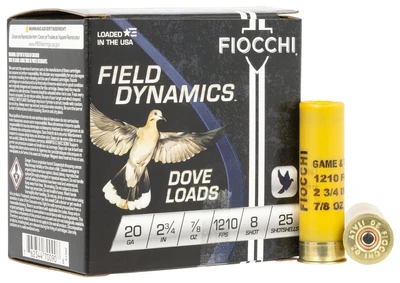 Fiocchi 20ga Lead Dove & Quail 2 3/4" 7/8 oz #8 Shot 1210 fps20 GaugeView product →
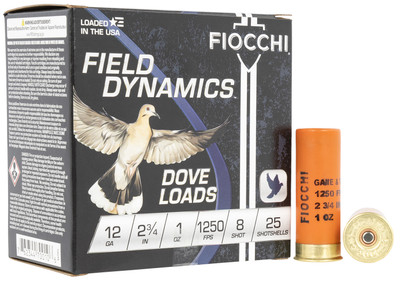 Fiocchi 12ga Lead Dove & Quail 2 3/4" 1 oz #8 Shot 1250 fps12 GaugeView product →
 FLYWAY STEEL WATERFOWL 12ga 3" 1 1/5oz #3 1550 fps12 GaugeView product →
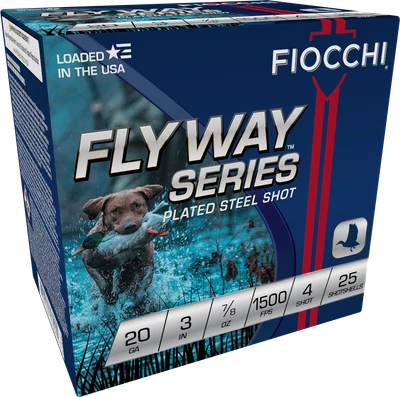 FLYWAY STEEL WATERFOWL 20ga 3" 7/8oz #4 1500 fps20 GaugeView product →
 12ga #OO Buckshot Low Recoil 2-3/4" 9-PELLETS 1200 fps12 GaugeView product →
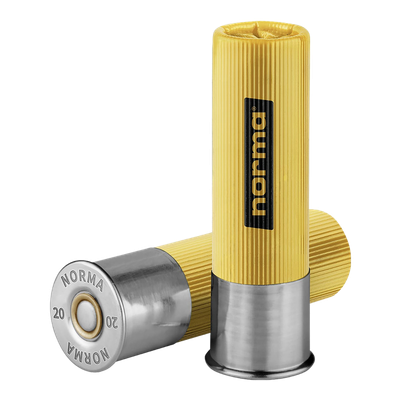 WHITETAIL Slug 20ga 2.75'' Slug 7/8oz 1345 fps AMMO20 GaugeView product →
 Hornady Sst 20ga 2.75" 250gr Ftx Sabot Slug20 GaugeView product →
Keep reading
- Your first range day: what to bring and what to expect
- Indoor vs. outdoor ranges: how to prepare for each
- Hollow-point ammunition: why the bullet designs differ
- How to read an ammunition box: grain, FPS, energy, and more
- Range safety: the habits that matter every visit
- 9mm bullet weights: 115, 124 and 147 grain explained
- .22 LR velocity: standard, high velocity and quiet loads
- How to read a shotgun shell box before you buy
- FMJ vs. JHP ammunition: choosing for the job
- Hunting vs. target rifle ammunition: what changes?