
How to read an ammunition box: grain, FPS, energy, and more
A box of ammunition can put a lot of numbers in a small space. The most important one is the cartridge designation, because it must match the firearm. After that, the rest of the label helps you compare loads for range practice, hunting, or another lawful purpose. Here is how I read it without turning the box into a physics exam.
Caliber comes first
Read the exact designation on the firearm and the ammunition box. “9mm Luger,” “.380 Auto,” “.38 Special,” and “.357 Magnum” are different cartridges; similar-looking numbers are not permission to substitute one for another. Rifle names can be equally close. When in doubt, stop and check the firearm manual or ask a qualified professional. Cartridge compatibility is a safety question, not a price-comparison shortcut.
The package count is separate from caliber. “50 rounds” is usually the number of cartridges in that box, while a case may contain multiple boxes. Confirm whether a listing is for one box or a sealed case before comparing price per round. The SKU or manufacturer's part number helps you find the same load again if the product name varies between stores.
Grains measure weight
“115 gr” refers to the bullet's weight in grains, not to the powder charge and not to the number of rounds. One grain is one seven-thousandth of a pound. Different bullet weights in the same caliber can have different velocity and recoil characteristics, and the bullet design matters too. A 124-grain FMJ practice load and a 124-grain hollow point share a weight, but they are not the same product.
The bullet abbreviation gives another clue. FMJ means full metal jacket and is common in practice ammunition. JHP means jacketed hollow point. LRN means lead round nose. Those labels describe broad construction, not guaranteed performance or range approval. Check the exact manufacturer's description when a material or design matters to you.
FPS and energy are test numbers
FPS means feet per second. Muzzle velocity is the bullet's speed as it leaves the barrel, usually reported from a controlled test setup. Your firearm's barrel length and conditions can change the result. A higher number is not automatically more accurate or more suitable for your range. Compare velocities only when you know the bullet weight, cartridge, and test conditions behind them.
Muzzle energy is the bullet's energy at the muzzle, commonly shown in foot-pounds. It depends on both bullet weight and velocity. Like FPS, it is one specification, not a quality grade. A manufacturer's ballistic table may also show velocity and energy farther downrange; those are different from muzzle numbers. If a listing has no trustworthy manufacturer figure, leaving the field blank is better than guessing.
Pressure and the rest of the label
A +P marking signals a higher-pressure loading under the relevant cartridge standard. It deserves a check against your firearm maker's instructions before purchase or use. Case material, primer type, subsonic labeling, and the intended use can also matter, especially when a range has restrictions. For shotshells, gauge, shell length, shot size, and payload replace some of the centerfire fields; read all of them rather than just “12 Gauge.”
The practical habit is to save the box from a load you like. Its caliber, bullet weight, brand, part number, lot, and round count give you a reliable way to find it again. When you browse our ammunition categories, we show the specifications we can verify and leave uncertain fields out. If a detail is missing, ask us and we can check the exact product rather than invent a number.
Read two real examples
Speer's 9mm Gold Dot 23614GD is a 115-grain hollow-point load listed at 1,210 FPS and 374 foot-pounds from a 4-inch test barrel. Speer's 23618GD is also 9mm Gold Dot, but it is 124 grains and listed at 1,150 FPS and 364 foot-pounds from the same barrel length. The lighter bullet is faster in this pair. That is a useful comparison because the maker, line, cartridge and barrel length are named; it would be much less useful to compare a random 9mm number with a .45 Auto number and declare a winner.
For rimfire, CCI's 40-grain Standard Velocity part 0035 is listed at 1,070 FPS, while its 40-grain Mini-Mag part 0030 is listed at 1,235 FPS. They share a cartridge and bullet weight, but not the same velocity or product role. Your firearm, the range's rules and the job you have in mind determine which is appropriate. Save the exact part number whenever a load works well.
Why published FPS may differ at your range
A manufacturer's figure comes from a defined test barrel and controlled conditions. Your barrel length, temperature and the individual ammunition lot can affect measured speed. If you use a chronograph, record your barrel length and conditions alongside the readings. A small difference from the box is not, by itself, proof of a bad product; a surprising result should prompt a check of the test setup and exact load rather than a guess.
Products mentioned and related picks
Current in-stock listings. Check each product page for the exact load, package and availability.
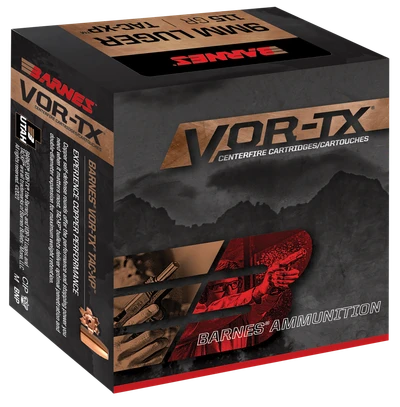 Barnes VOR-TX, 9mm, 115 Grain, XPB, Hollow Point, 320059mm LugerView product →
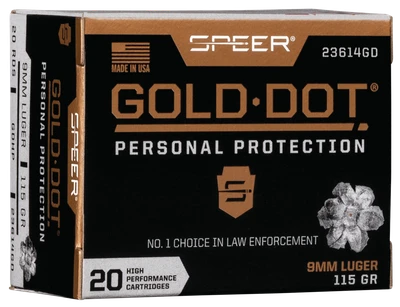 Speer Ammunition Speer Gold Dot, Personal Protection, 9mm, 115 Grain, Hollow Point, 23614GD9mm LugerView product →
 Speer Ammunition Speer Gold Dot, Personal Protection, 9mm, 124 Grain, Hollow Point, 23618GD9mm LugerView product →
Keep reading
- Your first range day: what to bring and what to expect
- Indoor vs. outdoor ranges: how to prepare for each
- Hollow-point ammunition: why the bullet designs differ
- Range safety: the habits that matter every visit
- 9mm bullet weights: 115, 124 and 147 grain explained
- .22 LR velocity: standard, high velocity and quiet loads
- How to read a shotgun shell box before you buy
- FMJ vs. JHP ammunition: choosing for the job
- Hunting vs. target rifle ammunition: what changes?
- Shotgun shot sizes and gauges: what fits the hunt or the range